AI Voice Integration: Opportunities and Data Risks

Artificial intelligence (AI) voice technology has revolutionized how businesses and consumers interact with digital systems. From voice assistants like Siri and Alexa to customer service chatbots and advanced transcription services, AI-powered voice integration has become a staple in everyday apps. While the possibilities for innovation are vast, businesses must navigate the complexities of data handling, privacy concerns, and secure data destruction to fully harness the technology without compromising user trust.
Everyday Applications of AI Voice Technology
AI voice integration is reshaping daily interactions, offering unparalleled convenience and efficiency. Some notable use cases include:
- Personal Assistants: AI voice assistants embedded in smartphones, smart speakers, and wearable devices help users manage schedules, control smart home devices, and perform searches hands-free.
- Customer Support: Businesses increasingly use AI-powered voice bots to handle common customer queries, reducing wait times and operational costs while providing 24/7 assistance.
- Healthcare: Voice-enabled AI is assisting in medical transcription, appointment scheduling, and even remote patient monitoring through voice commands.
- Accessibility: For individuals with disabilities, voice integration offers greater accessibility by enabling hands-free navigation and interaction with digital systems.
- Enterprise Productivity: Tools like AI transcription services streamline meeting documentation, enabling more efficient workflows and collaboration.
Risks of AI Data Collection and Cloud Storage
While AI voice technology offers immense benefits, it also comes with significant risks, particularly around data handling and privacy. Voice-enabled systems rely on large volumes of data to function effectively, and this data is often stored in the cloud for processing and improvement. This creates potential vulnerabilities:
- Data Breaches: Storing sensitive voice data in the cloud exposes it to potential breaches. Hackers can target these repositories to access personal or proprietary information.
- Unauthorized Data Collection: Some voice systems may record more data than users realize, raising concerns about transparency and consent. For instance, always-on devices might inadvertently capture private conversations.
- Regulatory Compliance: Companies must adhere to regulations like GDPR, HIPAA, or CCPA, which govern how customer data is collected, stored, and used. Non-compliance can result in hefty fines and reputational damage.
Responsible Data Management Practices
For companies operating large language models (LLMs) and integrating AI voice technology, the key to success lies in prioritizing data security and ethical practices. Here are critical considerations:
- Transparency: Inform users about what data is being collected, how it’s used, and the measures in place to protect it. Clear privacy policies build trust.
- Minimization: Limit data collection to what is absolutely necessary for the AI system to function. Avoid retaining unnecessary data to reduce exposure risks.
- Encryption: Use end-to-end encryption for data transmission and storage to prevent unauthorized access.
- Access Controls: Implement strict access protocols, ensuring only authorized personnel can interact with sensitive data.
- Regular Audits: Conduct regular audits of AI systems and cloud storage solutions to identify vulnerabilities and ensure compliance with regulations.
Secure Data Destruction: A Vital Component of Data Management
As businesses upgrade to more advanced systems, they must also address the secure destruction of obsolete data. For companies managing large datasets in warehouses, proper disposal methods for hardware are essential:
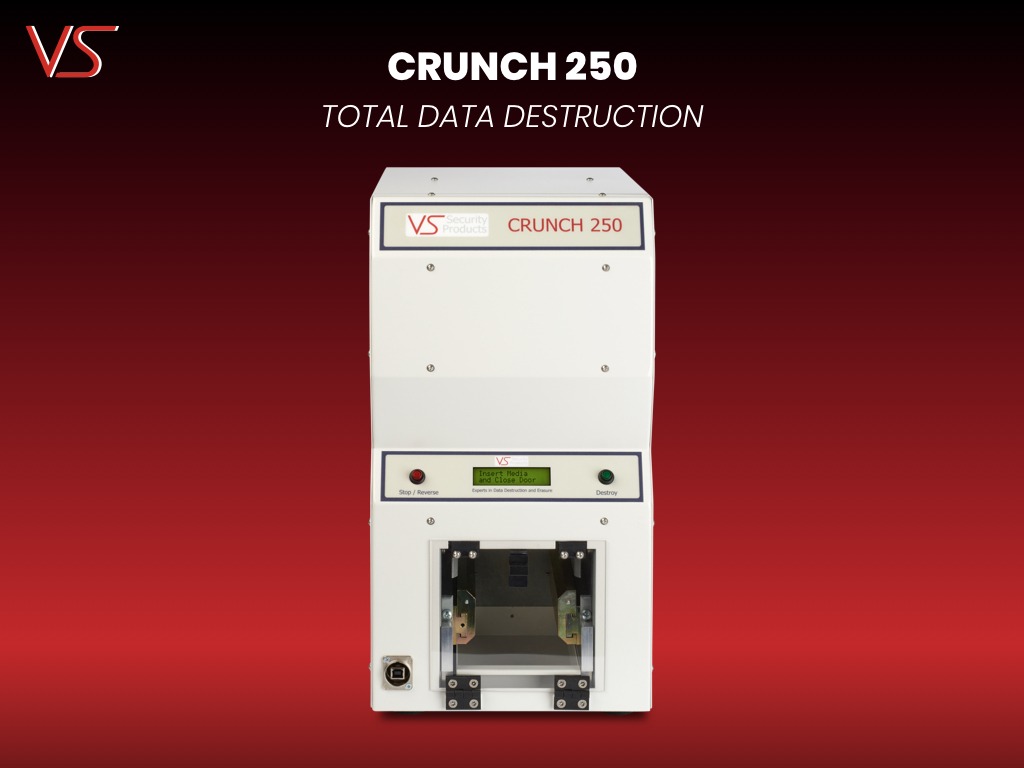
- Degaussing for HDDs: This process uses a high-powered magnet to disrupt the magnetic field on hard drives, rendering the data unreadable. Degaussing is a reliable way to ensure old data cannot be recovered.
- SSD Shredding: Unlike HDDs, SSDs store data in flash memory, which is not affected by magnetic fields. Physical shredding of SSDs is the most effective way to securely destroy these devices.
- Data Retention Policies: Develop clear policies that dictate how long data should be retained and ensure timely destruction of obsolete data to reduce risk.
- By incorporating robust data destruction practices, businesses can safeguard sensitive information and maintain compliance with data protection laws.
The AI Opportunity
AI voice integration is a game-changer for businesses and consumers alike, offering innovative solutions to everyday challenges. However, the success of this technology hinges on how responsibly companies handle the data that powers it. From secure cloud storage to ethical data collection and effective destruction methods, businesses must adopt comprehensive strategies to mitigate risks and uphold user trust. By doing so, they can unlock the full potential of AI voice technology while ensuring privacy and security remain top priorities.
Is your business operating in the AI space and looking for secure data solutions? Discover our products and contact us today to learn more about safely erasing data: [email protected]
Photo credit: its outsider