From Cyber Threats to Tactical Countermeasures: The New Era of Military Data Protection

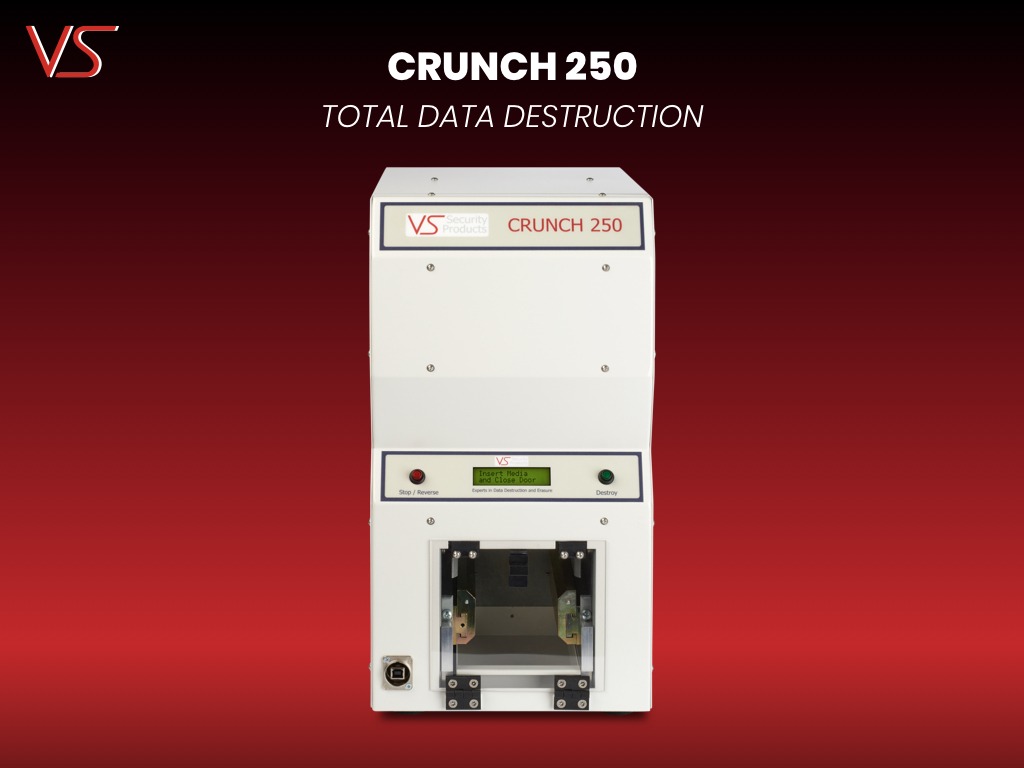
In today’s fast-changing geopolitical landscape, the defense industry is witnessing an unprecedented technological revolution. As state and non-state actors alike escalate their cyber operations, robust data security protocols are no longer optional — they are a critical component of national defense. We explore how advanced data security measures, including on-site data destruction with industry-leading devices such as the Crunch 250 and MediaGone 500, are redefining operational security, particularly at forward operating bases (FOBs). We also examine the role of Zero Trust architectures and emerging trends like drone warfare and secure satellite communications, drawing on recent news insights to underline the urgency of these initiatives.
Rapid Transformation in Defense Technology
Defense organizations across the globe are rapidly embracing next-generation technologies. The integration of advanced cyber tools, artificial intelligence, and resilient communication networks is driving a seismic shift in how military operations are planned and executed. Modern conflict is not confined to physical battlegrounds — cyber warfare now plays a critical role in determining strategic outcomes.
Recent reports have highlighted the growing risks associated with unsecured digital infrastructures. For example, Wired reported on the alarming availability of location data that could compromise the movements and routines of military personnel, underscoring how vulnerabilities in data security could be exploited by hostile entities. This evolving threat landscape mandates that the defense industry innovate continuously to protect sensitive information and maintain operational superiority.
Emerging Cyber Threats and Data Security Risks
Cyber threats in the defense sector have evolved in sophistication and scale. The advent of big data, Internet of Military Things (IoMT), and widespread reliance on commercial technology have created new vulnerabilities. Recent events — such as the tracking of service members via commercial location data and potential intrusions through insecure routers — illustrate that even the most secure systems are not immune to exploitation.
Forward Operating Bases: The Frontline of Data Security
Forward operating bases (FOBs) have always been a strategic asset, but today they represent much more than mere logistical hubs. They are the nerve centers of modern military operations where command and control, intelligence gathering, and rapid deployment converge. With the increasing reliance on digital data — from battlefield sensor networks to satellite imagery — FOBs have become critical targets for cyber adversaries.
At these bases, the integrity of data is paramount. A breach can compromise sensitive operational details, disrupt communications, and endanger personnel. Defense organizations are now rethinking how they protect these vital assets by adopting measures that ensure immediate data sanitization in response to any security incident. By implementing rapid on-site data destruction protocols, military units can neutralize threats before adversaries have a chance to exploit stolen information.
Advanced Data Destruction Protocols
When facing a cyber breach or physical threat, timing is everything. For defense organizations, the fastest and most secure way to erase all data traces is through on-site data destruction. Secure degaussing and hard drive destruction have emerged as critical tools in the defense arsenal.
Devices like the Crunch 250 and MediaGone 500 are a go-to solution for national defense. Engineered to meet the rigorous demands of military applications, these systems provide a swift, reliable method to completely obliterate data stored on hard drives and other digital media. Their rapid deployment capabilities make them invaluable in scenarios where data must be erased immediately — whether due to an active cyber intrusion, an imminent physical threat at a FOB, or a compromise of central command structures.
These devices not only ensure compliance with the highest security standards but also help maintain the confidentiality of technological advancements that give defense organizations a strategic edge. With adversaries continuously seeking ways to infiltrate and exploit military networks, having a robust and immediate data destruction capability is no longer a luxury — it’s a necessity.
Zero Trust: A Paradigm Shift in Defense Cybersecurity
The concept of Zero Trust has revolutionized cybersecurity across all sectors, and the defense industry is no exception. In a Zero Trust model, no user or device is automatically trusted, regardless of its location within or outside the network perimeter. Every access request is verified continuously, ensuring that even if a breach occurs, lateral movement within the network is minimized.
For military organizations, adopting a Zero Trust approach is essential to safeguard cutting-edge technologies and sensitive operational data. With adversaries — often state-sponsored — constantly probing for vulnerabilities, it is critical to ensure that every network interaction is authenticated and authorized. This rigorous stance helps prevent unauthorized access and data exfiltration, thereby protecting innovations that are pivotal to maintaining national defense superiority.
Lessons from the Ukraine War: Drone Warfare and Secure Communications
The ongoing Ukraine conflict has underscored the transformative impact of emerging technologies on modern warfare. The use of drones has not only redefined battlefield reconnaissance and targeting but has also exposed new vulnerabilities in data security. As Ukrainian forces deploy drones for surveillance and combat, the secure relay of data via satellite communications has become a linchpin for operational success.
Satellite systems play a crucial role in ensuring that real-time intelligence is transmitted securely between forward operating bases and central command. However, the risk of interception remains high. In response, military units are increasingly adopting measures to ensure that, in the event of a security breach, data can be rapidly destroyed on-site to prevent sensitive information from falling into enemy hands.
The Ukraine war provides a compelling case study for the integration of secure satellite communications with rapid data destruction protocols. By ensuring that data is relayed securely — and can be swiftly wiped when necessary — defense organizations can maintain operational secrecy and prevent adversaries from gaining insight into strategic advancements.
The Coming Change in Defense Posture
The defense industry stands at the crossroads of technological innovation and escalating cyber threats. As warfare evolves and digital data becomes the new battleground, the importance of advanced data security protocols cannot be overstated. Forward operating bases, as critical nodes in military operations, demand the highest levels of data integrity and protection. By leveraging rapid on-site data destruction solutions and embracing a Zero Trust cybersecurity model, defense organizations can safeguard their technological advancements and maintain a strategic advantage.
The lessons drawn from recent events — including cyber threats reported in major news outlets and the evolving nature of warfare as seen in Ukraine — underscore the urgent need for continuous innovation in data security. In this dynamic landscape, proactive measures and cutting-edge technologies are the keys to ensuring that our national defense remains resilient, agile, and secure.
Learn more about secure data destruction solutions by contacting one of our experts today: [email protected]. You can also take our Data Assessment quiz to evaluate your current level of data security.
Photo credit: DON JACKSON-WYATT