Trillion-Dollar Data: Why Semiconductor Companies Must Prioritize Secure Data Destruction
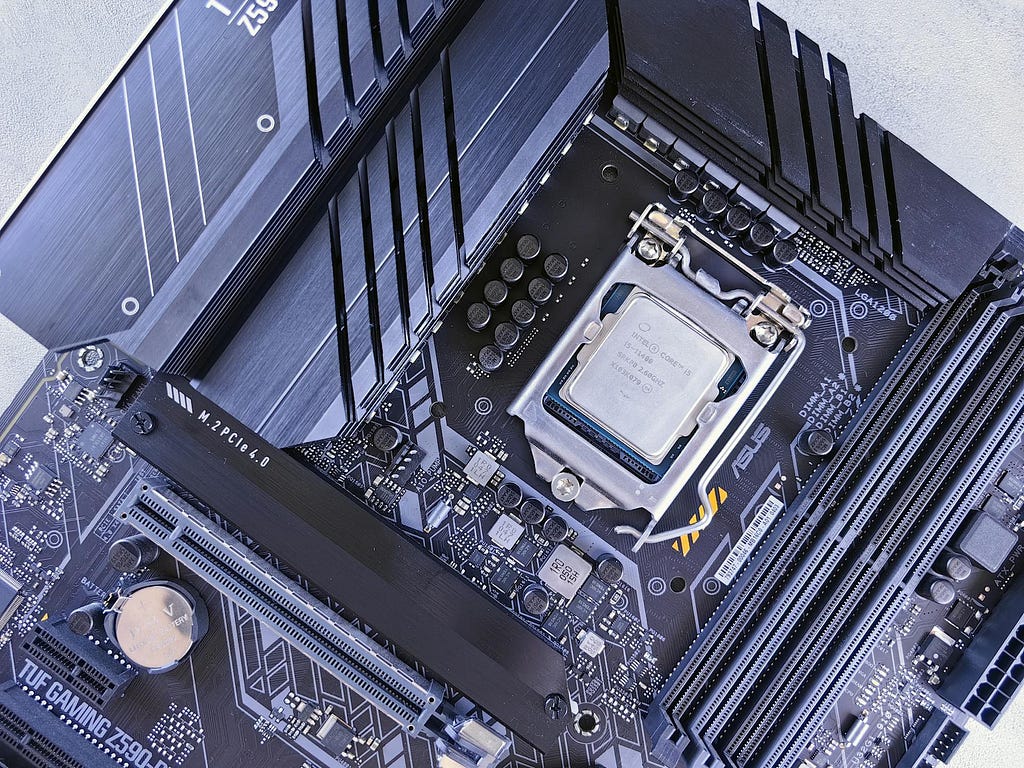
In the semiconductor industry, the data held by companies is both invaluable and vulnerable, estimated in the trillions. This sector, now valued at $5.5 trillion, is crucial in powering AI, cloud computing, and even the automotive industry, with companies like Nvidia contributing significantly to this valuation as it leads in AI chip production. This valuation and market influence make data protection paramount, as these companies hold proprietary information, intricate designs, and research that form the backbone of technological advancement across multiple sectors.
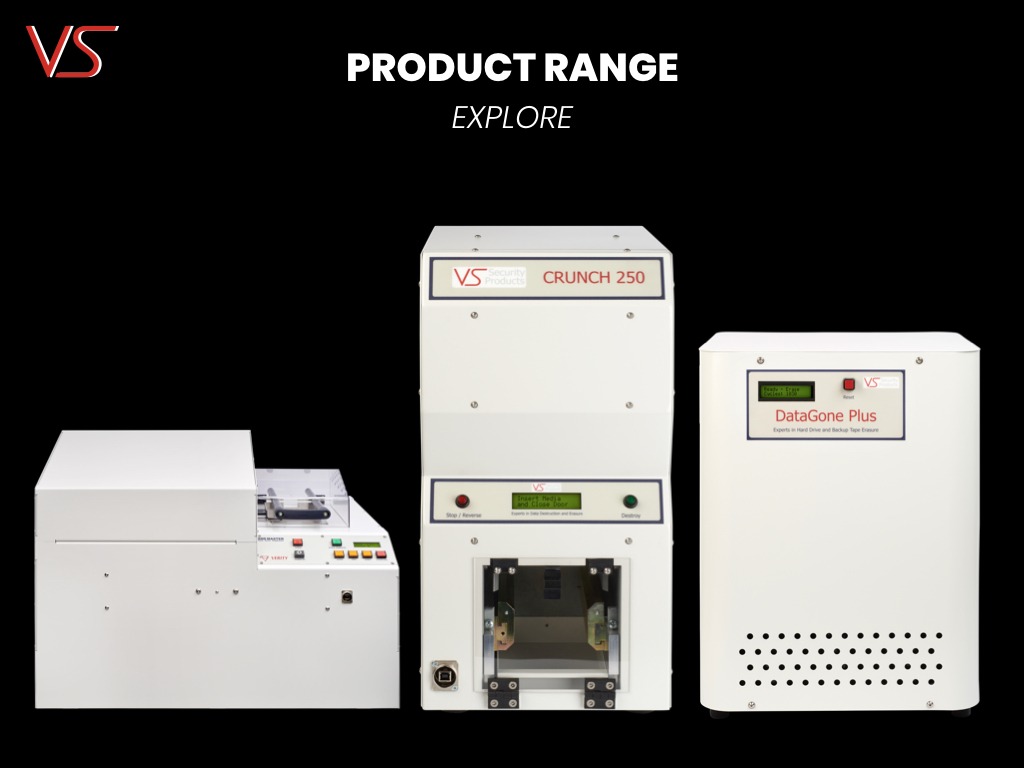
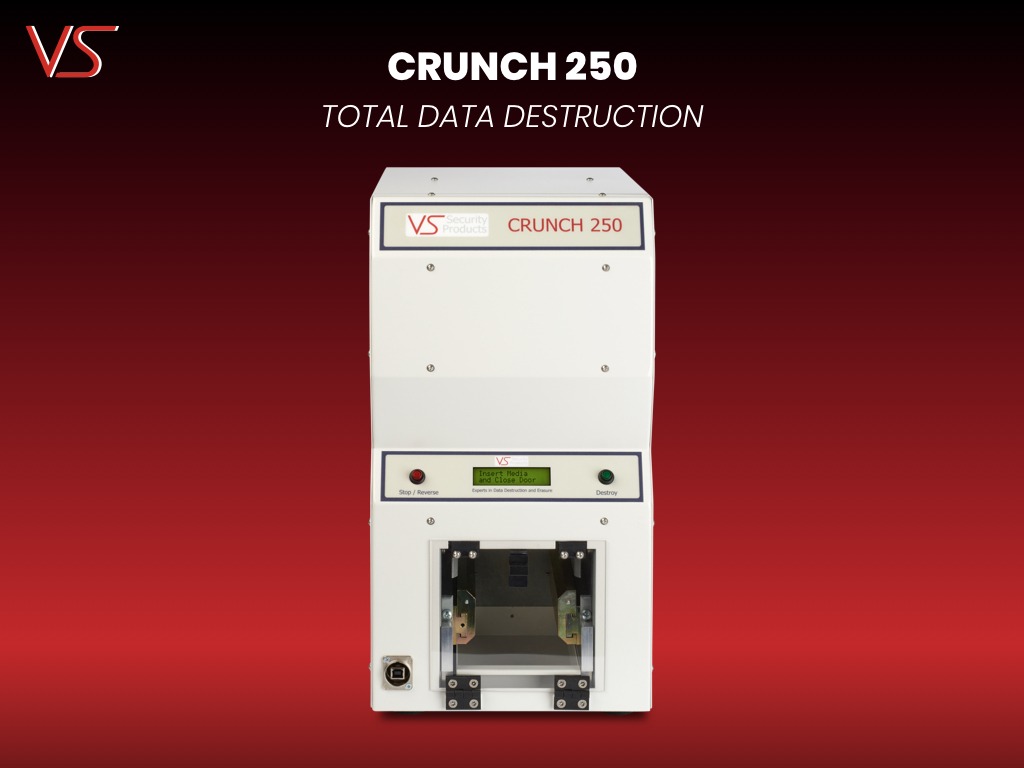
For semiconductor companies, secure data destruction is critical to safeguarding their intellectual property (IP) and maintaining competitive advantages. When systems and drives reach end-of-life, the need to ensure data is irretrievable cannot be overstated. Using robust, NSA-certified equipment like the Crunch 250 for physical destruction and the SDD Master for solid-state drive (SSD) destruction provides a comprehensive solution.
The Crunch 250 is specifically designed to meet high-security destruction standards, making it ideal for traditional hard drives. Meanwhile, the SDD Master is suited to destroy SSDs, flash memory, and USB drives, which are essential for eliminating any potential data recovery pathways.
The implementation of secure, in-house data destruction facilities within the semiconductor sector would reduce risks associated with third-party data handling. Given the competitive landscape, protecting data with such equipment is essential to ensure no remnants of sensitive design specifications or production methodologies can be compromised.
By adopting these high-security destruction methods, semiconductor companies can significantly strengthen their data security strategies, align with global data privacy standards, and fortify their position within this highly valuable industry.
To explore data destruction solutions suitable for semiconductor companies, contact us today: [email protected]
Photo credit: Andrey Matveev