Data Destruction and Public Health Institutions: Ensuring Security for Sensitive Information
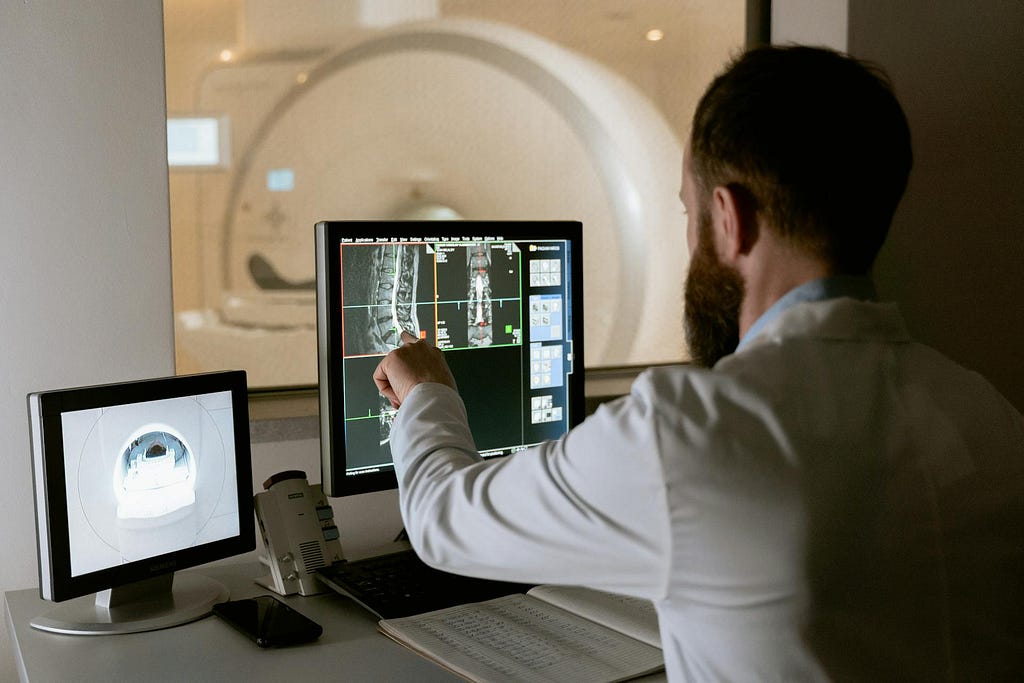
For public health institutions and government organizations, effective data destruction is paramount in maintaining the confidentiality of sensitive information. These institutions handle large volumes of data, from research and health statistics to personal records, which must be securely erased from end-of-life systems. As the need to manage such data grows, public health organizations face rising risks associated with improper data disposal and outdated erasure methods. To meet these needs, institutions can turn to secure data destruction equipment, like the DataGauss LG Max and MediaGone 500, which together provide a comprehensive solution for destroying legacy data on various types of media.
The Risks of Inadequate Data Destruction
Public health bodies, including global health institutions, are attractive targets for data breaches due to the highly sensitive nature of the data they handle. This information often includes research data, health records, and strategic health planning, making it critical to ensure no residual data remains accessible on old systems. Without a comprehensive in-house data destruction protocol, sensitive data stored on retired or outdated equipment risks exposure to malicious actors.
Organizations that lack dedicated data destruction facilities are particularly vulnerable. When such entities dispose of old storage devices without proper erasure, data can potentially be recovered, leading to security breaches that could compromise personal privacy, public health, and even national security. Health institutions must often comply with strict data protection regulations, such as HIPAA in the United States or GDPR in Europe, to protect patient data. Failure to meet these standards can result in penalties, reputational damage, and loss of public trust.
The Importance of In-House Data Destruction
Establishing an in-house data destruction facility offers substantial advantages for public health organizations, both in security and compliance. By handling data destruction internally, organizations can more rigorously control the disposal process, ensuring each device is destroyed according to institutional and regulatory standards. This reduces reliance on third-party vendors, which can be costly and introduce logistical and security risks. In-house data destruction also allows for real-time auditing and verification, providing an extra layer of transparency and accountability.
The DataGauss LG Max is an ideal solution for these needs. As a high-powered degausser, it erases data stored on traditional hard disk drives (HDDs) by disrupting the magnetic fields that hold the data. This process renders information on the drive completely irrecoverable, meeting the stringent standards required for secure data erasure. Additionally, the DataGauss LG Max offers built-in auditing capabilities, allowing operators to document and verify each destruction event. This feature is invaluable for public health organizations needing to maintain compliance and transparency in data handling.
Handling Flash and SSD Media: The Role of the MediaGone 500
While HDD degaussing effectively handles magnetic storage media, flash-based devices like solid-state drives (SSDs), CDs, and DVDs require physical destruction to ensure data cannot be reconstructed. For these types of media, the MediaGone 500 provides an efficient solution. This shredding device physically dismantles SSDs and optical media into unrecognizable pieces, ensuring data remains inaccessible.
Combining the DataGauss LG Max with the MediaGone 500 enables organizations to manage the complete spectrum of media storage, covering both traditional and flash-based drives. With this pairing, health institutions can implement a comprehensive destruction protocol, guaranteeing that all types of retired storage devices are properly disposed of without compromising security.
Implementing Secure Data Destruction to Safeguard Health Data
Public health institutions play a vital role in protecting sensitive information. By investing in secure data destruction methods, these bodies can address potential vulnerabilities and improve overall security. As regulations around data protection become increasingly stringent worldwide, having reliable in-house destruction capabilities will help institutions comply with regulations and maintain public trust.
Incorporating tools like the DataGauss LG Max and MediaGone 500 as part of an in-house data destruction facility not only reinforces security measures but also demonstrates a commitment to safeguarding data from evolving cyber threats. For public health organizations, such protocols are not just best practices — they are essential steps in protecting sensitive data and maintaining the public’s confidence.
If you are looking to implement an in-house data destruction capability, contact one of our experts today to find a suitable solution: [email protected]
Photo credit: MART