Protecting E-Learning Businesses from Data Breaches: Securely Disposing of Hard Drives

As the e-learning industry continues to expand, it faces a growing threat of data breaches and cyberattacks. News reports from the past year reveal that several educational platforms have fallen victim to cybercriminals, with millions of records compromised. These breaches often expose sensitive personal data, including names, email addresses, financial details, and even progress reports or certifications. Notably, some breaches in the past year were caused by unsecured cloud storage and phishing scams targeting administrative staff.
Vulnerabilities in E-Learning Systems
The digital nature of e-learning platforms makes them prime targets for cybercriminals. Many platforms rely on legacy systems or inadequate security protocols, leaving them susceptible to hacking attempts, ransomware, and data theft. These vulnerabilities not only damage the reputation of affected companies but also erode trust among users and clients.
One high-profile incident involved the theft of sensitive student and educator data due to inadequate encryption measures. In another case, a major platform suffered from unauthorized access, leading to a leak of private information across multiple regions. The cumulative cost of these breaches, from legal fees to client compensation, is substantial and could run into millions of dollars.
The Role of Secure Data Destruction
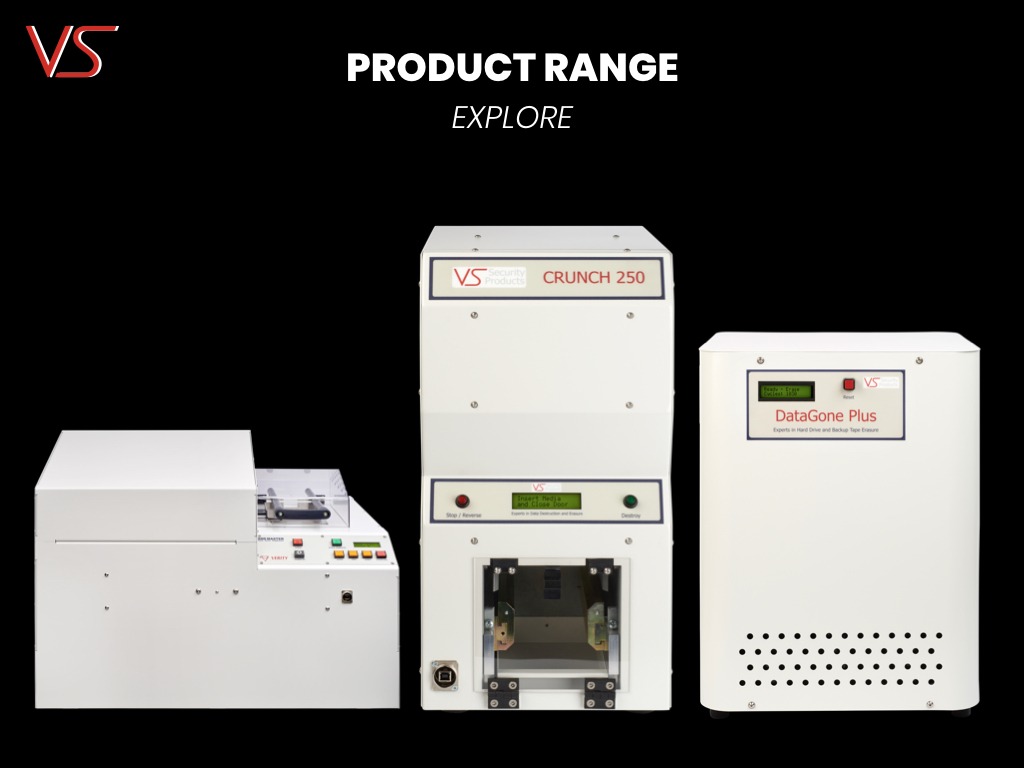
To combat these threats, e-learning companies are increasingly turning to secure data destruction to protect sensitive information. On-site degaussing and shredding of end-of-life (EOL) hardware is emerging as a critical step in ensuring data cannot be retrieved by malicious actors. Devices like the DataGauss LG Max and MediaGone 500 are becoming industry standards due to their ability to permanently destroy data and offer auditable records of destruction. These tools are particularly useful for data centers and educational institutions transitioning to newer systems or scaling down outdated infrastructure.
Advancements in Data Security Protocols
Modern solutions like the DataGauss LG Max are equipped with advanced auditing capabilities, enabling organizations to document the destruction of hard drives with detailed records. The MediaGone 500 complements this by securely shredding SSDs and other flash storage devices. Together, these tools form a comprehensive solution that e-learning companies can deploy to safeguard intellectual property and sensitive user data.
Long-Term Implications and Industry Trends
Beyond addressing immediate vulnerabilities, e-learning companies are revisiting their overall cybersecurity strategies. Incorporating end-to-end encryption, regular audits, and staff training are critical steps to minimizing future risks. Secure data destruction ensures compliance with global data protection laws, such as GDPR and CCPA, while also mitigating risks associated with outsourcing or improper disposal of hardware.
As the e-learning sector evolves, governments and industry bodies must work collaboratively to establish stricter guidelines and provide financial support to small and medium-sized businesses for cybersecurity improvements. A proactive approach will not only protect data but also sustain the industry’s rapid growth by maintaining user trust.
Data destruction, combined with focused security measures, is no longer optional — it is an essential component of surviving and thriving in the digital age.
Discover our latest data security solutions and contact our expert advisors today: [email protected]
Photo credit: Anthony Da Cruz