Preventing Data Leaks: How On-Site Hard Drive Destruction Strengthens Payment Processor Security

Payment card processors handle an immense amount of sensitive data, making data center security pivotal for ensuring the global security of financial transactions. Given the continuous rise in data breaches across the payment processing and fintech industries, it is crucial for companies to invest in robust on-site data destruction solutions and implement strict security protocols to protect against potential data leaks.
The volume of sensitive financial information stored in data centers is staggering. Payment processors store everything from credit card numbers to transaction histories across multiple data centers and third-party servers, making this data a prime target for cyberattacks. Recently, there have been numerous instances of data breaches involving payment processors, exposing millions of credit card numbers and personal details. These breaches often stem from poorly secured legacy systems and storage devices, with hackers gaining access to sensitive information over long periods of time before detection.
For instance, a payment processor exposed 1.7 million credit card numbers due to unauthorized access over nearly a year. This breach highlights the importance of not only securing active servers but also ensuring that older hard drives and storage devices that still contain sensitive information are not left vulnerable. Similarly, another payment processor left databases exposed due to improper configurations, demonstrating that even small missteps in managing sensitive data can have significant consequences.
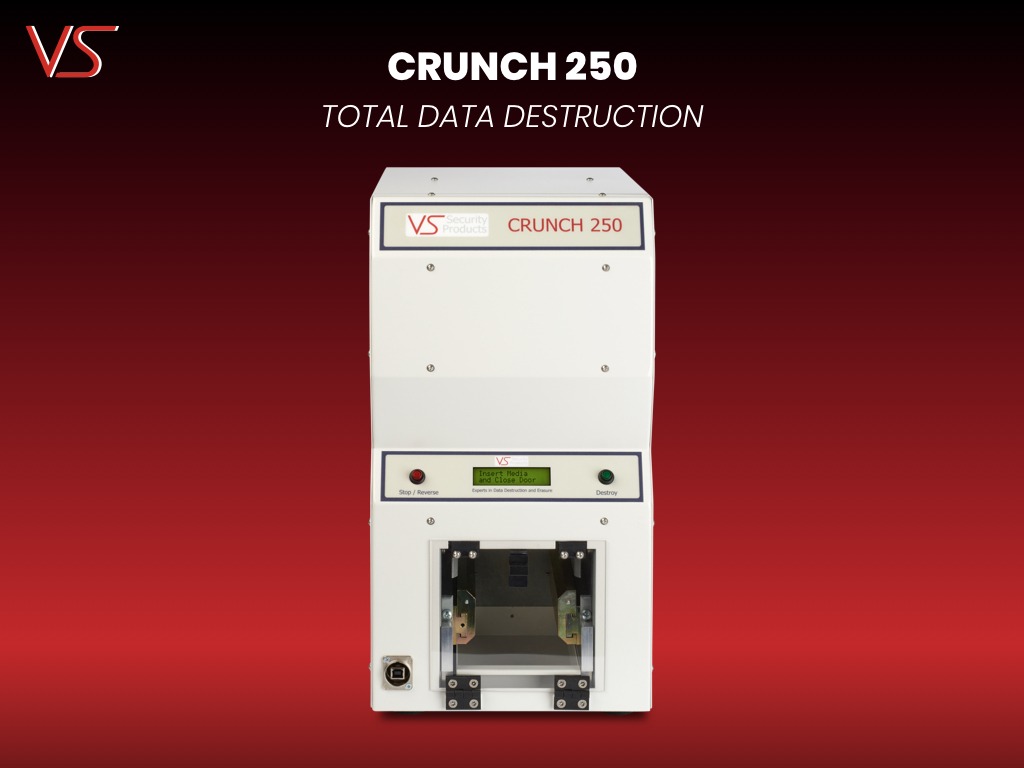
One effective way to mitigate these risks is by implementing on-site data destruction for hard drives, especially when dealing with legacy systems or hardware that is no longer in use. Physical destruction of hard drives containing sensitive financial information is the most secure method of ensuring that data is irretrievable. For large-scale shredding, the MediaGone 500 SSD shredder offers an efficient solution for destroying large volumes of SSDs and hard drives on-site, providing payment processors with a reliable way to permanently eliminate sensitive data.
Additionally, fintech companies and payment processors must consider the security protocols of their third-party suppliers. Often, third parties handle significant portions of data storage and processing off-site. If these vendors fail to comply with stringent data protection standards such as PCI DSS (Payment Card Industry Data Security Standard), this can expose the primary company to significant risks. Introducing comprehensive data security protocols that account for third-party risks is vital for protecting the full lifecycle of financial data.
In conclusion, payment processors and fintech firms must take proactive steps to safeguard their data centers and storage devices by employing robust on-site data destruction solutions and holding third-party suppliers to the highest security standards. By doing so, they can reduce the risk of cyberattacks and protect sensitive financial data from being compromised.
Are you looking to securely erase your data? Get in contact with us today to learn more about solutions for payment processors, fintech companies and datacenter operators: [email protected]
Photo credit: Iconica Media